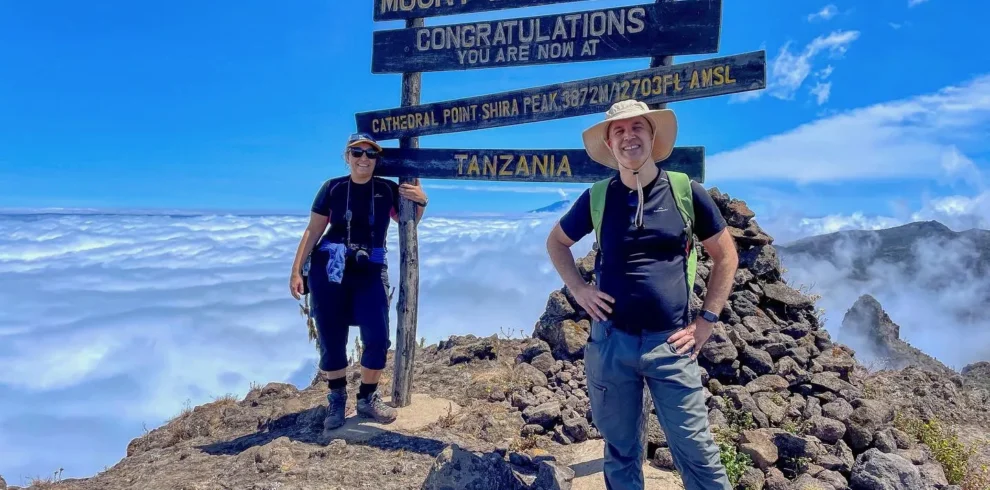
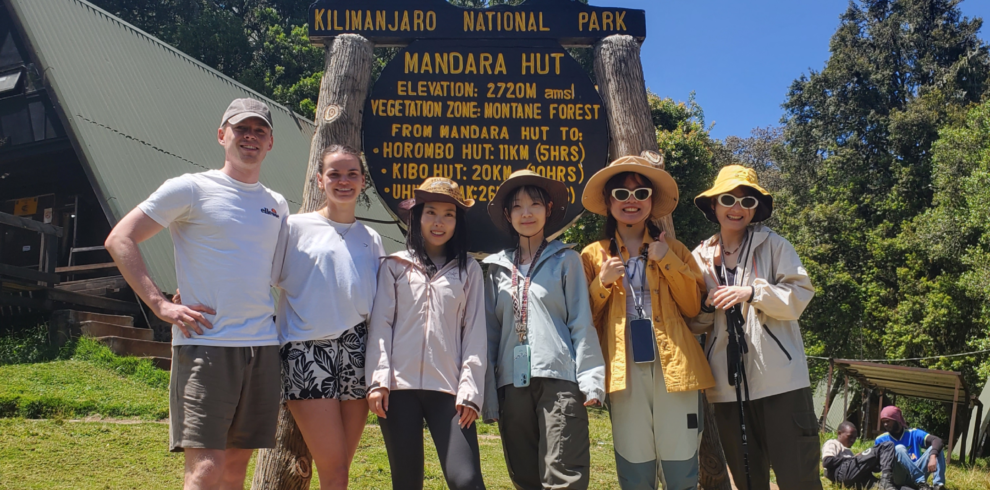
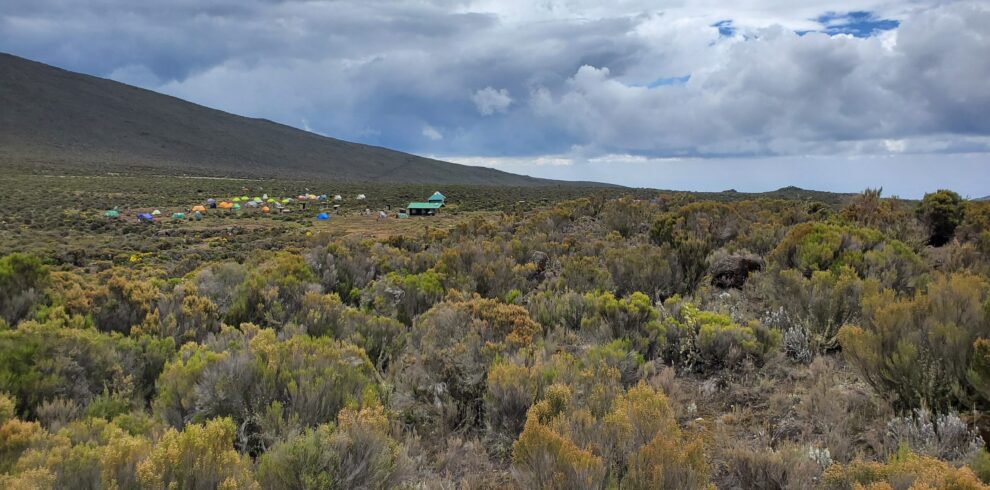
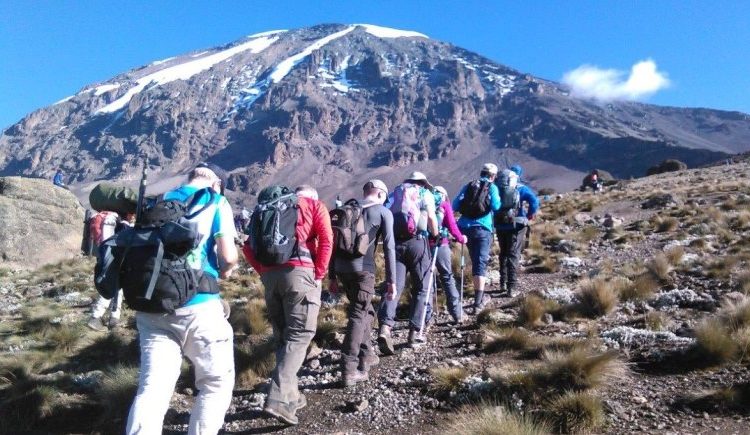
Discover Mount Kilimanjaro
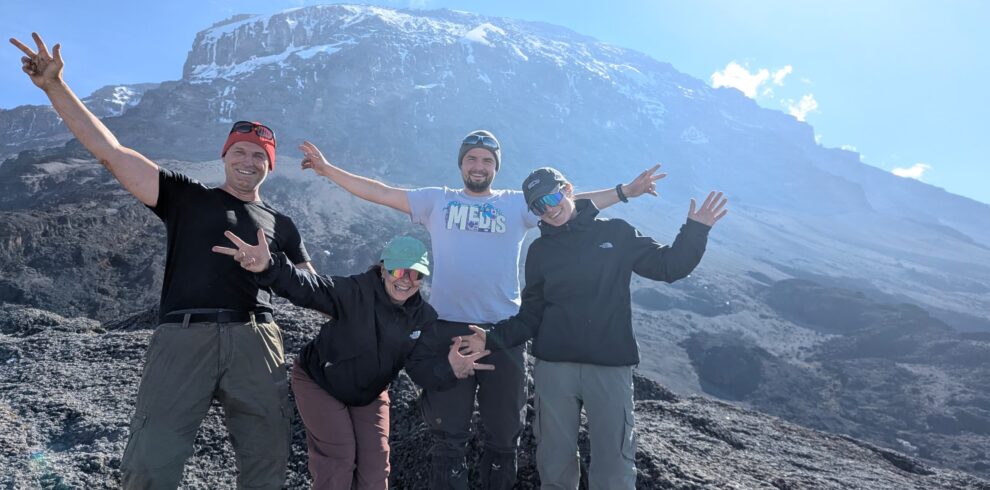
Mount Kilimanjaro is Tanzania's iconic mountain and the highest
mountain in Africa, rising to 5,895 metres (19,341 feet) above sea
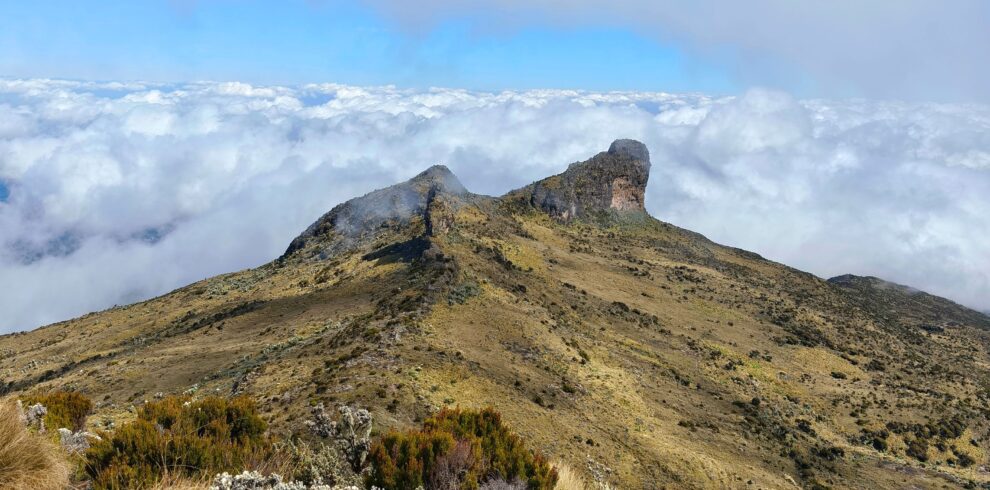
level. Its remarkable landscapes range from lush rainforest and
open moorland to dramatic alpine desert and the glaciers near the summit.
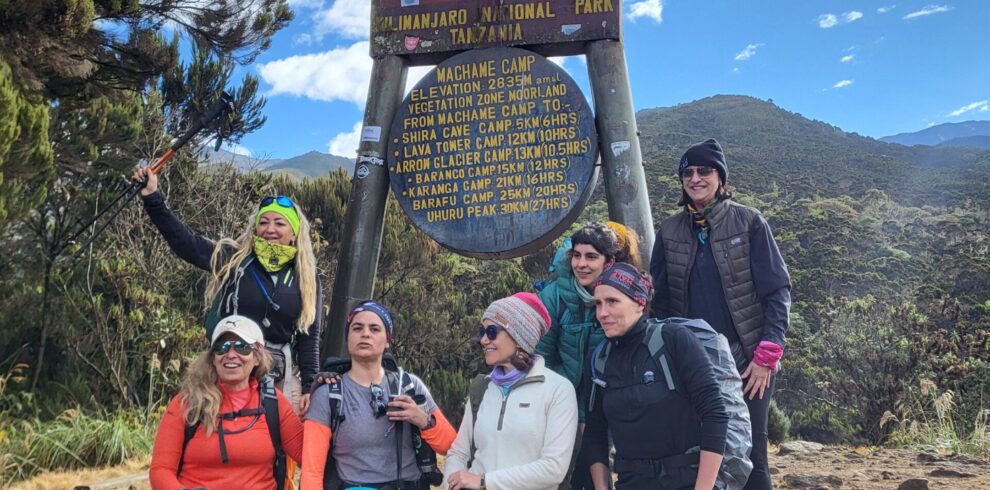
Climbing Kilimanjaro is more than a trek. It is an opportunity to
experience Tanzania's natural beauty, challenge your limits and enjoy
an unforgettable journey with a dedicated mountain crew.
No technical climbing skills are normally required on the standard
trekking routes, but good preparation, fitness and proper
acclimatization are essential.
Why Climb with Summit and Savanna?
As a Tanzania-based adventure operator, Summit and Savanna helps you
prepare for your climb with practical guidance, route information
and a personalized trip plan. We aim to make your experience
rewarding, well-organized and focused on safety.
01
Experienced Mountain Guides
Get guidance and support throughout your trek from an experienced mountain team.
02
Scenic Trekking Routes
Compare different trails based on scenery, duration, difficulty and acclimatization.
03
Personalized Planning
Choose a climbing itinerary that fits your schedule, budget and experience.
04
Dedicated Mountain Crew
Mountain support arrangements can include guides, cooks and porters according to your package.
Our Kilimanjaro Climbing Routes
Discover our Mount Kilimanjaro climbing packages and choose the
route that matches your travel dates, preferred scenery, budget
and acclimatization needs. Explore the available itineraries below
to compare trip durations and package details.
What Is Included in a Kilimanjaro Climb?
Inclusions vary by package and route. Before confirming your trip,
request a written itinerary and a clear list of services covered
by your quotation.
Commonly Included
- Professional mountain guiding
- Mountain cook and porter crew, according to package
- Meals and drinking-water arrangements on the mountain
- Camping equipment or hut accommodation, depending on route
- Park fees and rescue fees, as specified in the quote
- Transfers and accommodation, if specified in the package
Prepare Separately
- International flights and visa expenses
- Personal travel and medical insurance
- Personal trekking clothing and equipment
- Tips for the mountain crew
- Personal snacks and optional expenses
- Extra hotel nights not listed in the itinerary
Confirm every inclusion and exclusion with Summit and Savanna before booking.
How to Prepare for Kilimanjaro
Start preparing several weeks or months ahead of your climb.
Regular walking, hill hiking, stair training and aerobic exercise
can help build endurance. If possible, practise with a loaded daypack
and the footwear you intend to use on the mountain.
Pack warm layers, waterproof clothing, suitable trekking boots,
a comfortable daypack, a headlamp and other equipment recommended
for your itinerary. Your operator should explain the gear list and
how the team monitors your well-being at altitude.
Altitude sickness can affect even fit and experienced hikers.
Follow your guide's instructions, ascend at an appropriate pace,
and report symptoms promptly. Reaching the summit cannot be guaranteed,
and descending may be necessary if safety becomes a concern.
Frequently Asked Questions
How much does it cost to climb Mount Kilimanjaro?
The example budget for climbing packages is around $1,469–$2,100+
per person. The final price depends on route, trip duration, group
size, accommodation, park fees and included services. Request a
current quotation for your exact itinerary.
How many days does it take to climb Kilimanjaro?
Many itineraries take approximately 5–9 days on the mountain,
depending on the selected route and schedule. Longer itineraries
generally allow more time for acclimatization.
Which Kilimanjaro route is best for beginners?
There is no single best route for everyone. Beginners should
compare itineraries that provide adequate acclimatization time,
manageable daily distances and suitable support. A longer itinerary
is often worth considering.
Do I need technical climbing experience?
Technical climbing skills are not normally required on the standard
trekking routes. However, you need physical preparation, suitable
equipment and the ability to cope with long hiking days and high altitude.
Are guides, cooks and porters included?
Mountain crew services are commonly part of guided climbing
packages, but the exact staffing and services vary. Check your
quotation to confirm the guides, cooks, porters and other services included.
What is the best time to climb Kilimanjaro?
Many climbers prefer the generally drier periods, often January
to early March and June to October. Weather varies, and conditions
on the mountain can change at any time of year.
Can I climb Kilimanjaro in a private group?
Private climbs may be arranged for couples, families, friends or
individual travellers, subject to availability. Contact us with
your preferred dates and group size to discuss your options.
What happens if I develop altitude sickness?
Tell your guide immediately if you develop symptoms. Your team
should assess your condition and follow appropriate mountain
safety procedures. Severe symptoms require prompt descent and
medical assistance; continuing to ascend may be dangerous.
Your Kilimanjaro Adventure Starts Here
Tell us when you want to climb, how many people are travelling,
and which route interests you. We'll help you plan your next step.